
Hayes Slade Presents at the Florida Bar Construction Law Conference on Ethical Architecture and Design for Freedom

Hayes Slade, Sharon Prince and team at the Florida Bar Conference
Last week, Hayes Slade, AIA, had the honor of presenting at the Florida Bar Construction Law Conference, a prestigious gathering of over 450 construction lawyers from across the country. The conference serves as a key forum for legal professionals navigating the complexities of the construction industry, and Hayes' session shed light on a critical yet often overlooked issue: ethical sourcing in architecture and construction.

Representing Slade Architecture, Hayes introduced attendees to Design for Freedom, an initiative spearheaded by Grace Farms Foundation that addresses the presence of forced labor in the global supply chain of building materials. With a legal audience in mind, the presentation emphasized the Design for Freedom Toolkit, a resource designed to help architects, developers, and legal professionals identify and mitigate unethical labor practices in their projects.

As ethical sourcing becomes an increasing priority within the industry, the Toolkit provides actionable steps to promote transparency, accountability, and responsible material procurement. Hayes highlighted how integrating these principles into contracts, procurement strategies, and project oversight can drive meaningful change—ensuring that the built environment reflects not only design excellence but also human dignity.
We are proud to be part of this ongoing conversation and remain committed to advancing ethical construction practices. If you’re interested in learning more about Design for Freedom and how to incorporate these principles into your projects, visit Design for Freedom.
Stay tuned for more updates on how Slade Architecture is championing ethical and sustainable design across our projects!
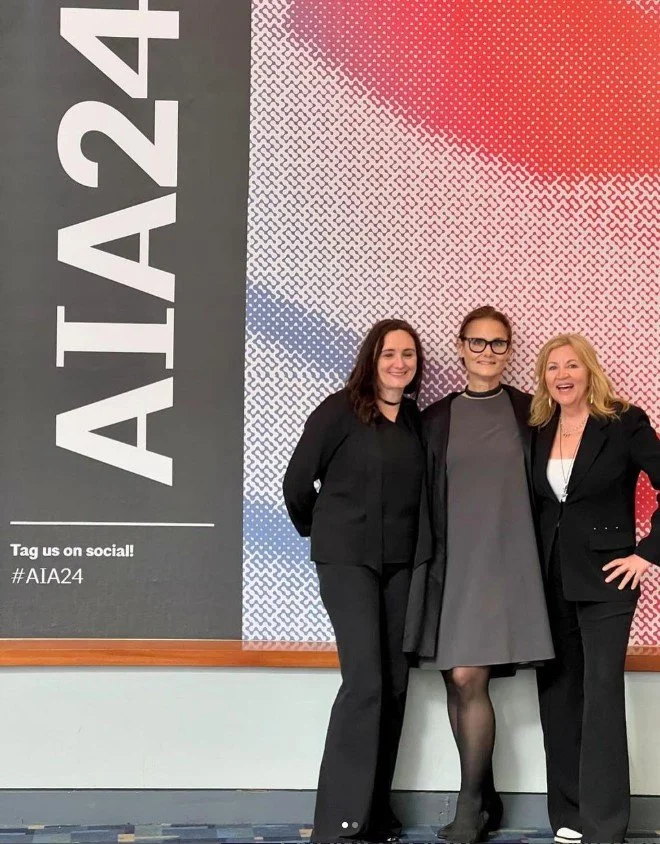
AIA24 Ethical Decarbonization and Our Building Materials: Constructing a New Future Conference

Hayes Slade, Anna Dyson (Yale CEA), and Sharon Prince (Grace Farms Foundation) presented “Ethical Decarbonization and Our Building Materials: Constructing a New Future” at the AIA Conference on Architecture this past summer in Washington DC this
Architects are positioned to play a critical role in removing embodied emissions associated with the lifecycle of building materials, from the extraction of raw materials to demolition. In pursuit of ethical decarbonization, Forbes [DO2]cites how this urgent call to action is perhaps the most comprehensive to date and a significant step toward the construction sector’s net-zero ambitions.
In this session, leading experts and architects will explain how to activate and accelerate this transformational shift through strategies like avoiding waste and new extraction by moving to a circular economy, shifting to earth- and bio-based building materials, and improving the decarbonation of cement, steel, and aluminum!

Anna Dyson (Yale CEA), Hayes Slade and Sharon Prince (Grace Farms Foundation)
Grace Farms Foundation 9th Anniversary Benefit

Within the glass-enclosed 700-person Sanctuary, surrounded by views of the vibrant foliage, Grace Farms' CEO and Founder, Sharon Prince, delivered a poignant Welcome Address. Accompanied by beautiful music from the London Philharmonic Orchestra. Following the performance, guests attended a joyful reception, toasting to nine years of culture, collaboration and extraordinary new outcomes.
We are proud to be involved with Grace Farms Foundation and Design for Freedom and their continued efforts of interdisciplinary humanitarian missions to pursue peace through nature, arts, justice, community, faith.

Hayes, James and Friends

London Philharmonic Orchestra

Grace Farms Building
Lecture: The Contemporary Vernacular
Greg Bencivengo recently gave a lecture to M.Arch students enrolled in the Construction Technologies studio course, "The Contemporary Vernacular," at Parsons School of Design. The course explores regenerative technologies and strategies to reduce excess material use, whether through efficiency, material selection, or reuse. The lecture introduced students to four precedent projects from Copenhagen, Malmö, and New York State, showcasing principles of circularity and design for disassembly as strategic design approaches. This talk served as a foundation for the students’ upcoming design exercise, encouraging them to approach sustainability thoughtfully and creatively.
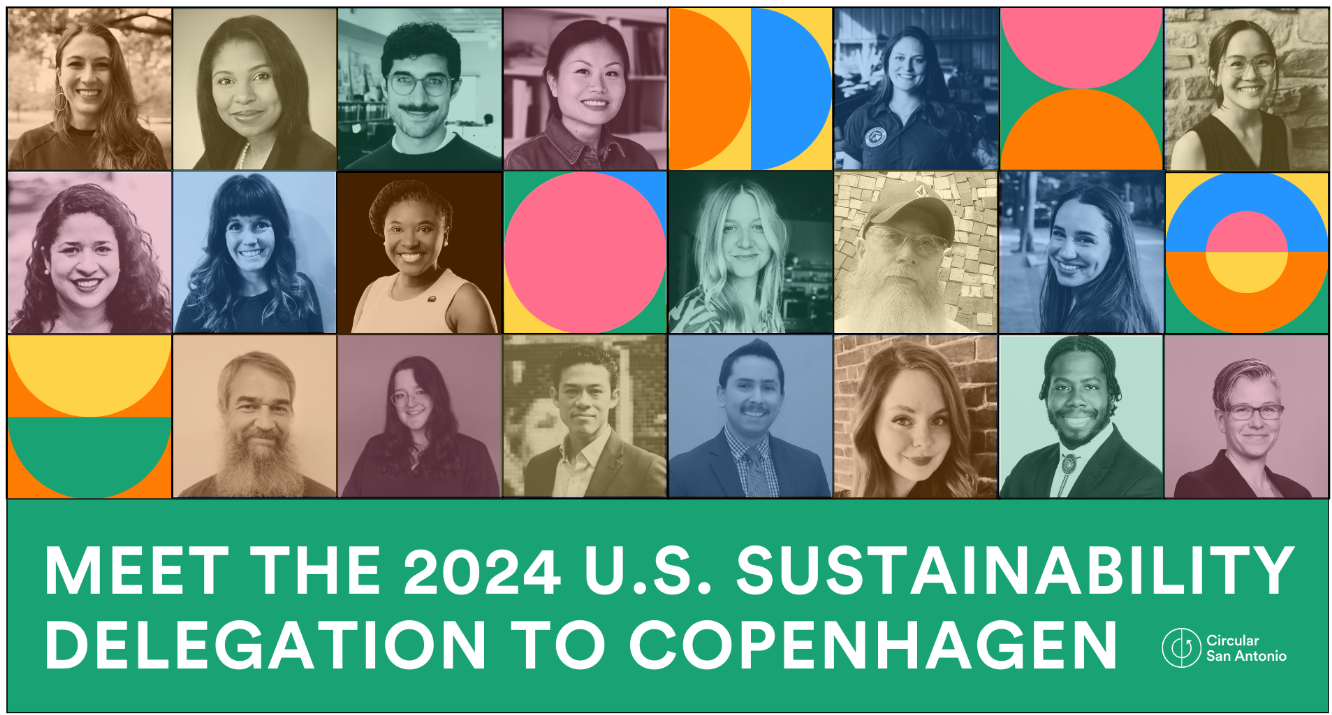
Green Salon: Reflecting on Copenhagen
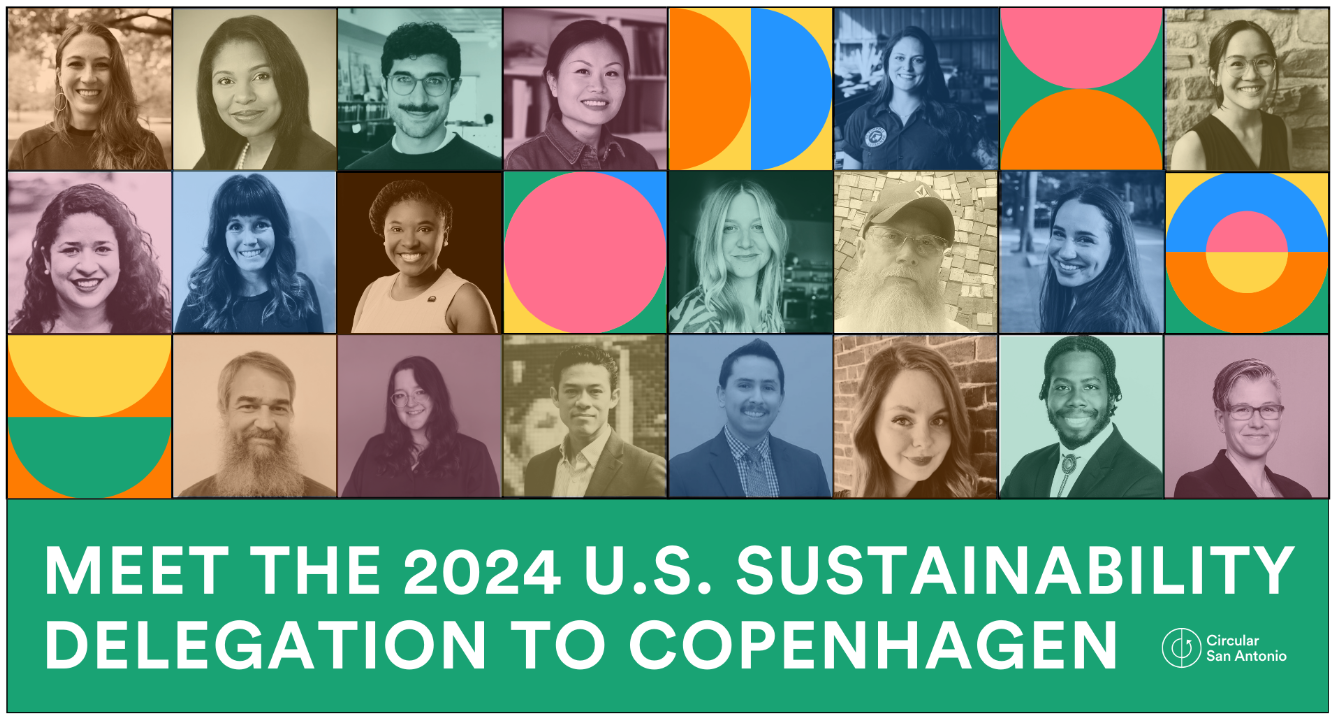
Greg Bencivengo recently participated in two insightful discussions and presentations held at Dattner Architects, sharing experiences from a unique research trip focused on circular economy practices at architectural and urban scales. Alongside two colleagues from NYC-based firms, Greg presented on sustainable design approaches observed during a weeklong delegation to Copenhagen and Malmö in April, organized by Circular San Antonio. The group included 19 sustainability professionals from various sectors—government, design, urban farming, plastics, and more—all dedicated to exploring the future of circularity in the built environment.
The trip's purpose was to delve into cutting-edge urban design initiatives, from tested approaches like design for deconstruction to emerging sustainable models still in progress. In the presentations, Greg and his colleagues shared key insights from the trip, drawing parallels between NYC’s and Copenhagen’s sustainable design practices and cultures.
